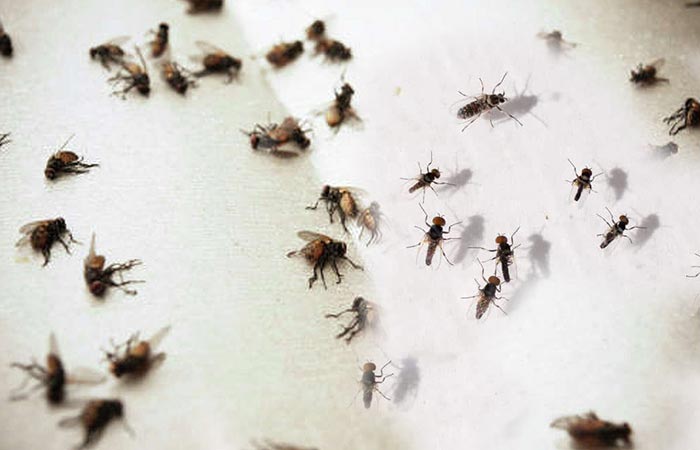
Choosing the right approach to getting rid of gnats effectively starts with clear context, practical filters, and realistic expectations.
Introduction to Gnat Problems
Gnats are tiny flying insects that can be a nuisance in homes and gardens. They are attracted to moisture, decaying matter, and sweet substances, making them a common problem in areas with high humidity or where fruits and vegetables are stored. Gnats can lay hundreds of eggs, which hatch into larvae and eventually become adult gnats, perpetuating the infestation. Getting rid of gnats requires a comprehensive approach that targets both the adult gnats and their larvae.
Understanding Gnat Behavior To effectively eliminate gnats, it's essential to understand their behavior and habits.
Gnats are most active during the day, especially in warm and humid environments. They are drawn to light, which is why they often swarm around lamps, windows, and other sources of illumination. Gnats also have a strong sense of smell, which they use to locate food sources, such as overripe fruits and vegetables, fermented substances, and moist soil.
Gnat Attractants Certain substances and conditions can attract gnats, making it crucial to identify and eliminate these attractants to prevent further infestations. Some common
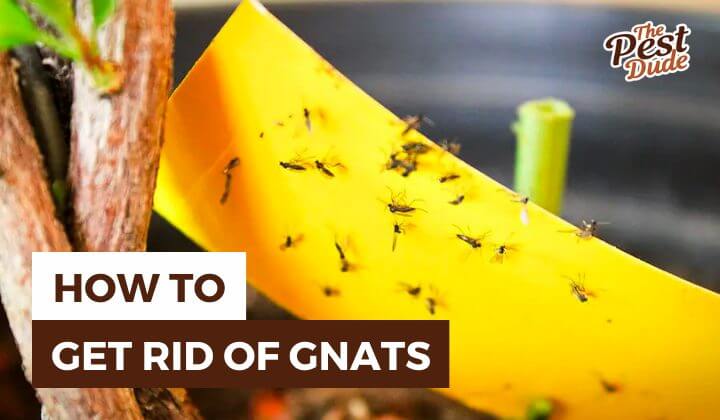
gnat attractants include: - Overripe or rotting fruits and vegetables - Fermented substances, such as vinegar, wine, and beer - Moist soil and compost piles - Decaying plant matter and algae - Sweet-tasting substances, such as soda, juice, and honey
Identifying Gnat Breeding Sites
Gnats lay their eggs in moist environments, such as soil, compost, and decaying plant matter. To get rid of gnats, it's essential to identify and eliminate these breeding sites. Some common gnat breeding sites include: - Overwatered plants and soil - Compost piles and bins - Decaying plant matter and fallen leaves - Clogged drains and sink traps - Areas with poor ventilation and high humidity
Methods for Controlling Gnat Populations Several
methods can be used to control gnat populations, including: - Traps: Create homemade traps using apple cider vinegar, sugar, and dish soap to capture and kill adult gnats. - Insecticides: Use insecticides containing pyrethrin or permethrin to kill gnats and their larvae. - Biological control: Introduce natural predators, such as ladybugs and lacewings, to feed on gnats and their larvae. - Cultural control: Implement good gardening practices, such as removing weeds, improving soil drainage, and avoiding overwatering.
Gnat Control Products Some popular products for controlling
:strip_icc()/bhg-how-to-get-rid-of-gnats-7561914-3_DnhgkwcdKpf9WHFzS1oAO_-4a2865af2e1e4794a437ad4124e12248.jpg)
- gnat populations include:
- Yellow sticky traps: Adhesive traps that capture and kill adult gnats.
- Insecticidal soap: A mild insecticide that kills gnats and their larvae.
- Neem oil: A natural insecticide that disrupts gnat hormone systems, preventing them from reproducing.
- Pyrethrin sprays: Insecticides containing pyrethrin, a natural compound that kills gnats and their larvae.
- Gnat-repellent granules: Granules containing natural repellents, such as citronella and lemongrass, that deter gnats from breeding and feeding.
Preventing Future Gnat Infestations To prevent future gnat infestations, it's essential to maintain good gardening practices, eliminate standing water, and reduce humidity levels. Some tips for
preventing gnat infestations include: - Regularly inspecting plants and soil for signs of gnat activity - Avoiding overwatering and improving soil drainage - Removing weeds and decaying plant matter - Using physical barriers, such as fine-mesh screens, to prevent gnats from reaching plants
Common Mistakes to Avoid
When trying to get rid of gnats, it's essential to avoid common mistakes that can exacerbate the problem. Some mistakes to avoid include: - Overusing insecticides, which can harm beneficial insects and the environment - Failing to identify and eliminate gnat breeding sites - Not addressing underlying conditions, such as poor ventilation and high humidity - Using ineffective or inadequate control methods, such as relying solely on traps or repellents
Conclusion
Getting rid of gnats requires a comprehensive approach that targets both the adult gnats and their larvae.
By understanding gnat behavior, identifying breeding sites, and using effective control methods, you can eliminate gnats from your home and garden. Remember to maintain good gardening practices, eliminate standing water, and reduce humidity levels to prevent future infestations.
Frequently Asked Questions
- What are gnats attracted to? Gnats are attracted to moisture, decaying matter, and sweet substances.
- How do I get rid of gnats in my house? To get rid of gnats in your house, eliminate standing water, reduce humidity levels, and use traps or insecticides to kill adult gnats.
- What are some natural ways to control gnat populations? Some natural ways to control gnat populations include using neem oil, insecticidal soap, and introducing natural predators.
- How do I prevent gnats from breeding in my plants? To prevent gnats from breeding in your plants, avoid overwatering, improve soil drainage, and remove weeds and decaying plant matter.
- What are some common gnat breeding sites? Some common gnat breeding sites include overwatered plants, compost piles, and areas with poor ventilation and high humidity.
- Can gnats transmit diseases? Yes, some species of gnats can transmit diseases, such as fungal infections and viruses, to plants and animals.
- How long does it take to get rid of a gnat infestation? The time it takes to get rid of a gnat infestation depends on the severity of the infestation and the effectiveness of the control methods used.



/windows10trackpad-5c66ae8bc9e77c0001e75c79.jpg)