Choosing the right approach to access your full credit report starts with clear context, practical filters, and realistic expectations.
Introduction to Credit Reports
A credit report is a detailed document that outlines an individual's credit history, including their payment history, credit accounts, and public records. It is used by lenders to determine an individual's creditworthiness and to decide whether to approve or deny credit applications. Downloading your full credit report is essential in maintaining good credit health, as it allows you to monitor your credit activity, detect errors or inaccuracies, and take corrective action to improve your credit score.
Why Download Your Full Credit Report
Downloading your full credit report can help you identify areas where you can improve your credit health. For example, if you notice that you have a high credit utilization ratio, you can take steps to reduce your debt and improve your credit score. Additionally, reviewing your credit report can help you detect identity theft or errors that may be affecting your credit score. By downloading your full credit report, you can take control of your credit health and make informed decisions about your financial future.
Understanding Credit Report Components
A full credit report typically includes the following components:
- Personal identification information, such as your name, address, and social security number
- Credit account information, including account numbers, credit limits, and payment history
- Public records, such as bankruptcies, foreclosures, and tax liens
- Inquiries, which show who has accessed your credit report and when

Tools for Downloading Your Full Credit Report
There are several tools and websites that allow you to download your full credit report, including:
- AnnualCreditReport.com: a free service that provides one free credit report per year from each of the three major credit reporting agencies (Experian, TransUnion, and Equifax)
- Credit Karma: a free service that provides free credit reports and credit monitoring
- Credit Sesame: a free service that provides free credit reports and credit monitoring
- Experian: a paid service that provides detailed credit reports and credit monitoring
- TransUnion: a paid service that provides detailed credit reports and credit monitoring
- Equifax: a paid service that provides detailed credit reports and credit monitoring
Benefits of Regular Credit Report Monitoring Regularly downloading and reviewing your full credit report can help you stay on top of your credit health and detect any potential issues before they become major problems. Some
benefits of regular credit report monitoring include:
- Improved credit score: by detecting and correcting errors or inaccuracies on your credit report, you can improve your credit score and qualify for better loan terms
- Reduced risk of identity theft: by regularly reviewing your credit report, you can detect suspicious activity and take action to prevent identity theft
- Better financial planning: by understanding your credit health, you can make informed decisions about your financial future and plan for major purchases or investments
Common Mistakes to Avoid When downloading and reviewing your full credit report, there are several common mistakes to avoid, including:

- Not checking your report regularly: failing to regularly review your credit report can lead to undetected errors or inaccuracies that can negatively impact your credit score
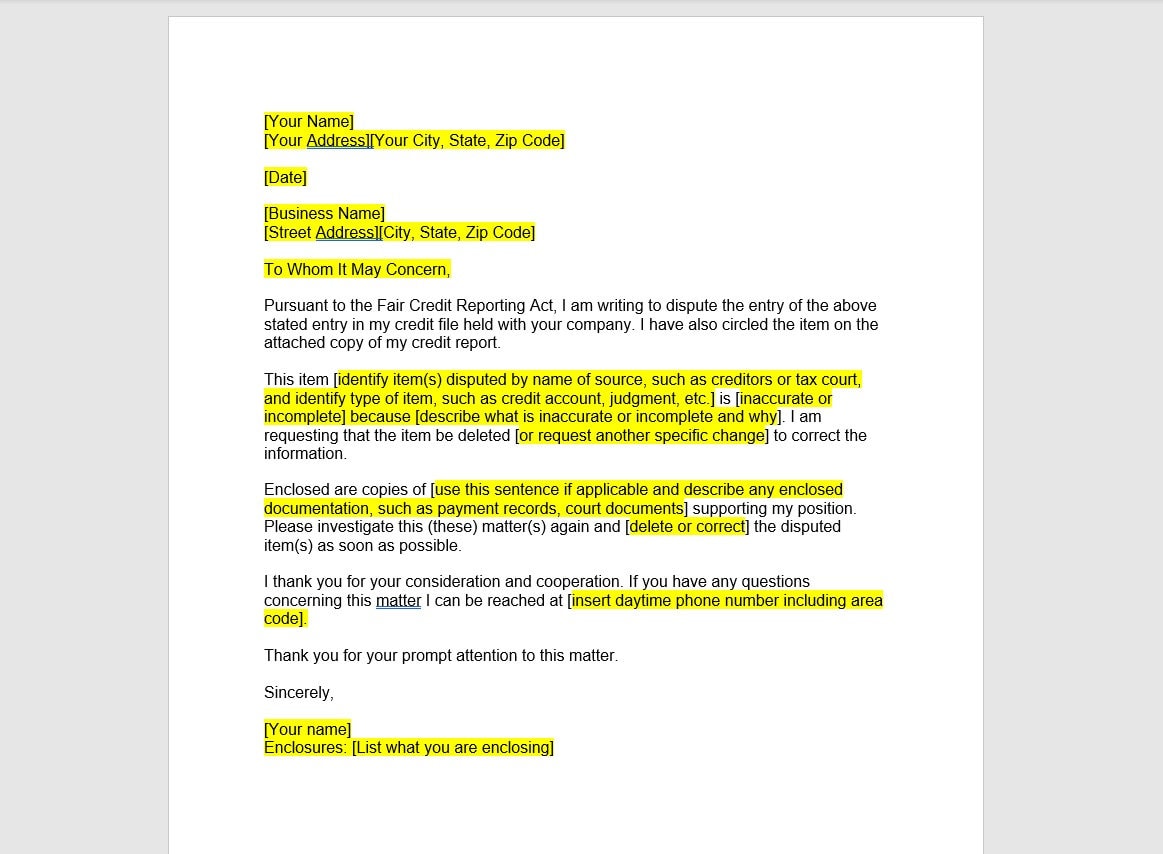
- Not disputing errors: if you notice an error or inaccuracy on your credit report, it is essential to dispute it with the credit reporting agency to ensure that your report is accurate and up-to-date
- Not monitoring your credit utilization ratio: high credit utilization can negatively impact your credit score, so it is essential to monitor your credit utilization ratio and take steps to reduce your debt if necessary
Practical Examples of Credit Report Monitoring
Regularly downloading and reviewing your full credit report can have a significant impact on your financial health. For example:
- If you notice that you have a high credit utilization ratio, you can take steps to reduce your debt and improve your credit score
- If you detect an error or inaccuracy on your credit report, you can dispute it with the credit reporting agency and ensure that your report is accurate and up-to-date
- If you notice suspicious activity on your credit report, you can take action to prevent identity theft and protect your financial information
Conclusion
Downloading your full credit report is an essential step in maintaining good credit health.
By regularly reviewing your credit report, you can detect errors or inaccuracies, monitor your credit utilization ratio, and take corrective action to improve your credit score. By using the tools and resources available, you can take control of your credit health and make informed decisions about your financial future.


/windows10trackpad-5c66ae8bc9e77c0001e75c79.jpg)